Dual Key Properties and Multi-Income Configurations: The Buyers Agent's Guide to Maximising Rental Yield from a Single Title
A complete guide for Australian buyers agents on dual key properties: how they work, finance and valuation risks, due diligence steps, and where this strategy delivers the strongest rental yield.
Dual Key Properties and Multi-Income Configurations: The Buyers Agent's Guide to Maximising Rental Yield from a Single Title
Dual key properties have moved from a niche investment curiosity to a mainstream strategy for Australian property investors chasing stronger rental yields without the cost and complexity of subdividing land or holding two separate titles. For buyers agents, understanding how these properties work, where they perform best, and what traps catch out inexperienced buyers is now a core competency rather than a specialist add-on.
This guide walks through what dual key properties actually are, how they differ from granny flats and duplexes, the finance and valuation challenges unique to this asset class, and how a buyers agent should structure due diligence when a client wants to pursue this strategy.
What Is a Dual Key Property?
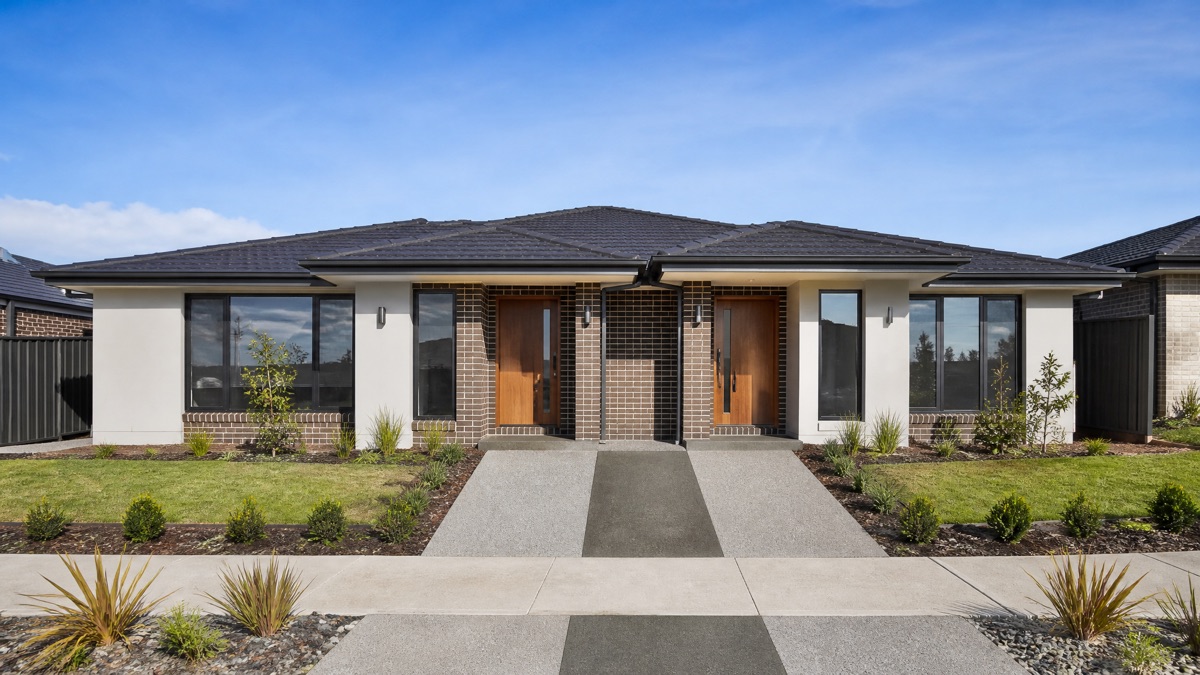
A dual key property is a single dwelling built on one title that contains two self-contained, independently lockable living spaces, each with its own kitchen, bathroom, and entry. The two units share a common roofline and a single land title, but they function as two separate rental units. This differs from:
- Granny flats or secondary dwellings: typically a smaller, detached structure built on the same block as the main house, often under specific state planning approvals for secondary dwellings.
- Duplexes: two attached dwellings, usually each on its own title (or strata title), that can be sold separately.
- Dual occupancy developments: a broader planning term covering any configuration where two dwellings exist on one lot, which can include dual key and granny flat arrangements.
The defining feature of a true dual key property is that it cannot be sold as two separate assets. Both units sell together as one property on one title, which has significant implications for finance, valuation, and exit strategy that a client needs to understand before committing.
Why Investors Are Attracted to Dual Key Properties
Combined Rental Yield
The primary appeal is yield. A three-bedroom, two-bathroom dual key configuration might rent as a 2-bedroom unit plus a 1-bedroom unit, generating combined weekly rent well above what a single three-bedroom house would achieve in the same location. In many growth corridor markets, combined yields of 6 to 8 percent gross are achievable, compared to 3.5 to 4.5 percent for a standard house in the same suburb.
Vacancy Risk Diversification
If one unit becomes vacant, the investor still receives rent from the second unit, softening the cash flow impact compared to a single-tenancy property sitting empty. This is particularly valuable for investors relying on rental income to service the mortgage.
Flexibility of Use
Some owners live in one unit and rent the other, effectively subsidising their own mortgage while building equity. Others house a family member in one unit while renting the second. This flexibility appeals to multi-generational households and investors who may want to occupy the property themselves in future.
Entry-Level Access to Higher-Yield Investment
Dual key properties are common in newer estates in growth corridors of South East Queensland, outer Melbourne, and parts of regional New South Wales, often priced similarly to a standard four-bedroom house but delivering meaningfully higher rental return.
The Risks a Buyers Agent Must Flag
Valuation Complexity
Dual key properties are a specialised asset class, and not every valuer has experience correctly assessing them. Some bank valuers apply a blanket discount to dual key configurations because comparable sales data is thinner than for standard houses, which can result in a valuation that comes in below contract price. A buyers agent should warn clients that a 5 to 10 percent valuation shortfall is not uncommon and that finance approval should never be assumed until the valuation is in hand.
Finance Restrictions
Several major lenders cap loan-to-value ratios on dual key properties at 80 percent rather than the 90 or 95 percent available for standard dwellings, and some lenders decline to finance them at all, or only accept them when the combined floor area or rental split meets specific internal policy thresholds. Clients using a mortgage broker who has not specifically dealt with dual key finance before can run into unexpected delays or declined applications late in the purchase process. A good buyers agent will confirm lender appetite before the client signs a contract, not after.
Narrower Buyer Pool on Resale
Because dual key properties appeal to a smaller segment of owner-occupiers (mostly multi-generational families or future investors), resale demand can be thinner than for a standard house. This can translate into a longer selling period and more conservative capital growth assumptions. Buyers agents should set realistic expectations with clients: dual key is primarily a cash flow and yield play, not a capital growth accelerator, although well-located examples in genuinely supply-constrained markets can still perform on both metrics.
Strata and Insurance Considerations
Because the dwelling is not strata titled, body corporate fees do not apply, but insurance needs careful attention. Building insurance should cover the combined structure, and landlord insurance policies need to be arranged (and often duplicated) for each tenancy. Some insurers price dual key properties differently due to the higher tenant turnover profile, and a buyers agent should prompt clients to get a specific quote before exchange rather than assuming standard landlord insurance pricing applies.
Land Tax and Depreciation Nuances
From a tax perspective, dual key properties can offer strong depreciation benefits because of the duplicated kitchens, bathrooms, and fixtures across two living areas, which a quantity surveyor should quantify via a tailored depreciation schedule. Clients should be directed to their accountant for land tax implications, particularly in states where land tax thresholds and multiple property ownership interact in ways that catch investors off guard.
Due Diligence Checklist for Dual Key Purchases
- Confirm genuine dual key status. Check the council-approved plans to confirm both units are independently self-contained with separate services, not simply a house with an internal granny flat conversion that may not have development approval.
- Verify separate metering. Confirm whether electricity, water, and gas are separately metered for each unit. Shared metering complicates rent collection and tenant disputes down the track.
- Request comparable rental appraisals for both units separately. Do not rely on a combined estimate from the selling agent. Independent appraisals for each unit give a more reliable picture of achievable combined rent.
- Confirm lender appetite early. Speak to the client's broker or multiple lenders before signing to confirm LVR limits and avoid a financing surprise close to settlement.
- Review the body corporate or estate covenants. Many dual key properties sit within master-planned estates with design covenants; confirm there are no restrictions on independent letting of each unit.
- Check parking and amenity allocation. Ensure each unit has adequate, clearly defined parking and outdoor space, as disputes between co-located tenants over shared areas are a common source of tenancy issues.
- Assess exit liquidity for the specific suburb. Research how many dual key properties have sold in the area over the past two years and how their time on market compared to standard houses.
Where Dual Key Properties Perform Best
Dual key strategies tend to work best in locations with strong rental demand from singles, couples, and small households, such as areas near universities, hospitals, and transport corridors, and in growth corridors where new estate developers have embraced the product type and buyer familiarity with dual key is higher. They are generally a weaker fit in blue-chip inner-city markets where land value dominates the purchase price and the yield uplift from a second kitchen is proportionally smaller, and in markets where owner-occupier demand (rather than investor demand) drives most of the capital growth.
How Buyers Agents Add Value in Dual Key Transactions
Because dual key is a specialised product, clients benefit significantly from a buyers agent who can access off-market stock from builders and developers with a track record in this configuration, cross-reference valuation data across multiple dual key comparable sales (rather than relying on a single valuer's opinion), coordinate pre-purchase advice from mortgage brokers experienced in dual key lending, and set realistic yield and growth expectations based on genuine local data rather than developer marketing material. A buyers agent who treats a dual key purchase with the same rigour as a standard investment property, while accounting for its specific risks, helps clients avoid the two most common mistakes: overpaying based on inflated rental projections, and discovering a finance shortfall after they are already contractually committed.
Frequently Asked Questions
Can I sell one unit of a dual key property separately from the other?
No. A true dual key property sits on a single title and cannot be split and sold as two separate assets without a formal subdivision or strata conversion process, which is often not possible under the original planning approval. Clients must treat the purchase as one indivisible asset.
Is dual key the same as a granny flat?
No. A granny flat is typically a smaller secondary dwelling, often detached or semi-detached, approved under specific state planning rules for secondary dwellings and usually smaller than the primary residence. A dual key property has two comparably sized, fully self-contained units built as a single structure on one title from the outset.
Will every lender finance a dual key property?
No. Lender policy varies significantly. Some major banks apply loan-to-value caps, some require minimum floor area splits between the two units, and some decline to lend on dual key properties altogether. Confirming finance in principle before signing a contract is essential.
Do dual key properties achieve strong capital growth?
Capital growth performance varies by location and depends heavily on broader market drivers rather than the dual key configuration itself. Dual key is generally considered a cash flow and yield strategy first, with capital growth as a secondary consideration that depends on the strength of the underlying suburb.
How do I manage two tenancies in one property?
Most owners use a property manager experienced in dual key or multi-income properties, as managing two leases, two bonds, and two sets of tenant relations within one physical structure requires more active oversight than a standard single tenancy.
Dual key properties can be a genuinely effective tool for investors seeking stronger cash flow from residential property, but they reward careful selection and penalise impatience. A buyers agent who understands the finance landscape, valuation risk, and resale liquidity profile of dual key stock is positioned to help clients make a considered decision rather than chasing yield numbers in isolation.